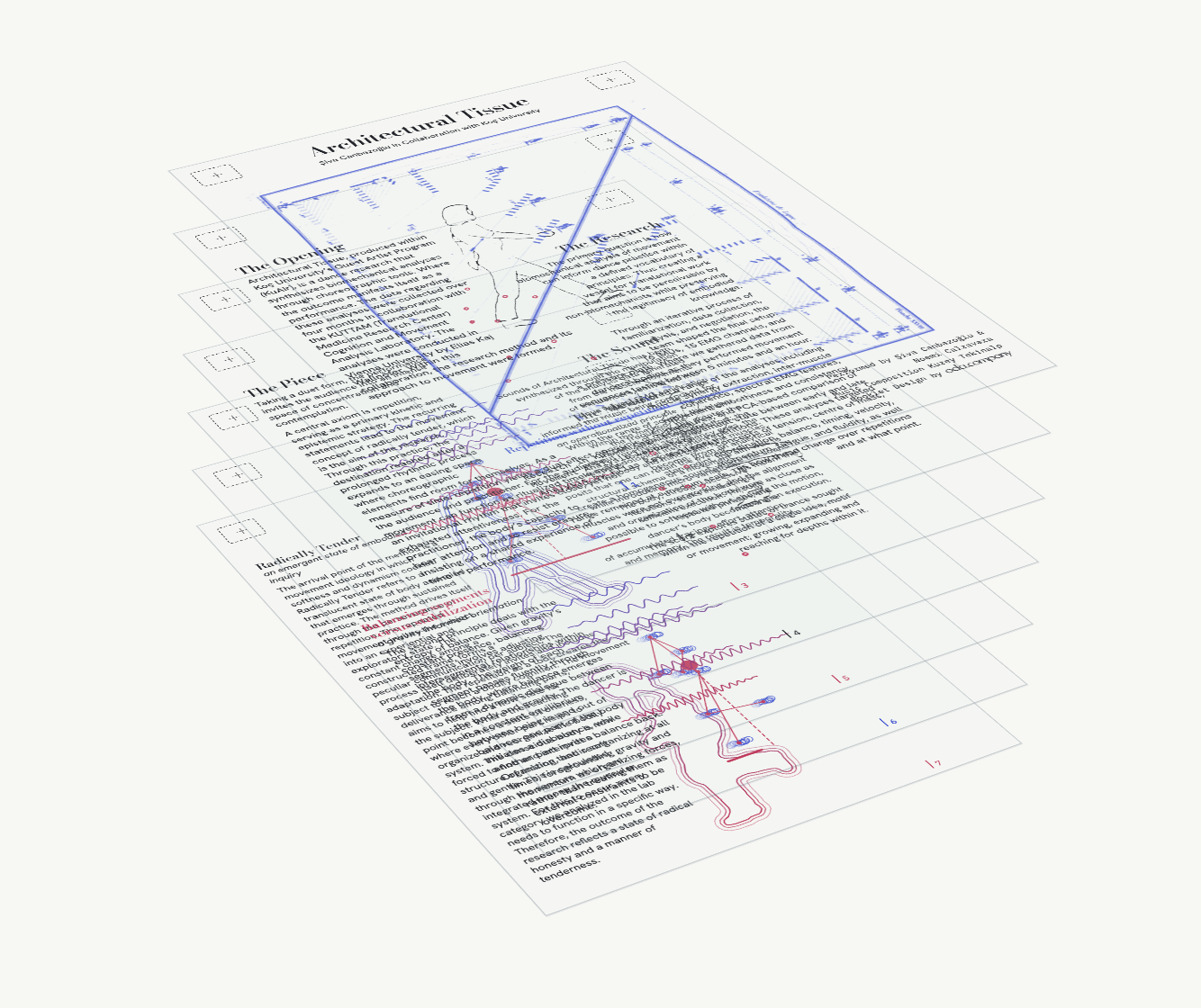
Architectural Tissue
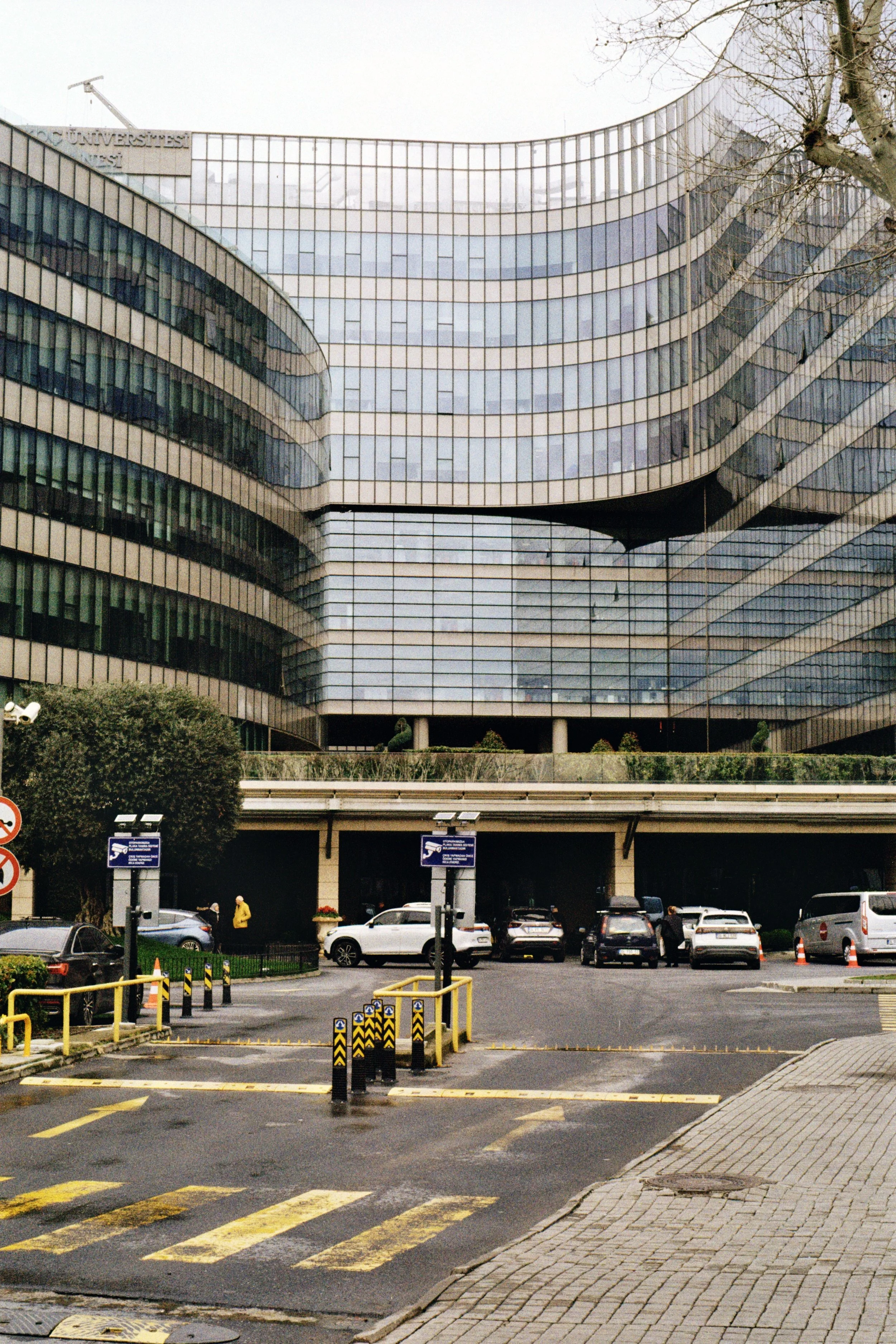
Şiva Canbazoğlu in collaboration with Koç University, Artist in Residency Program
The Opening
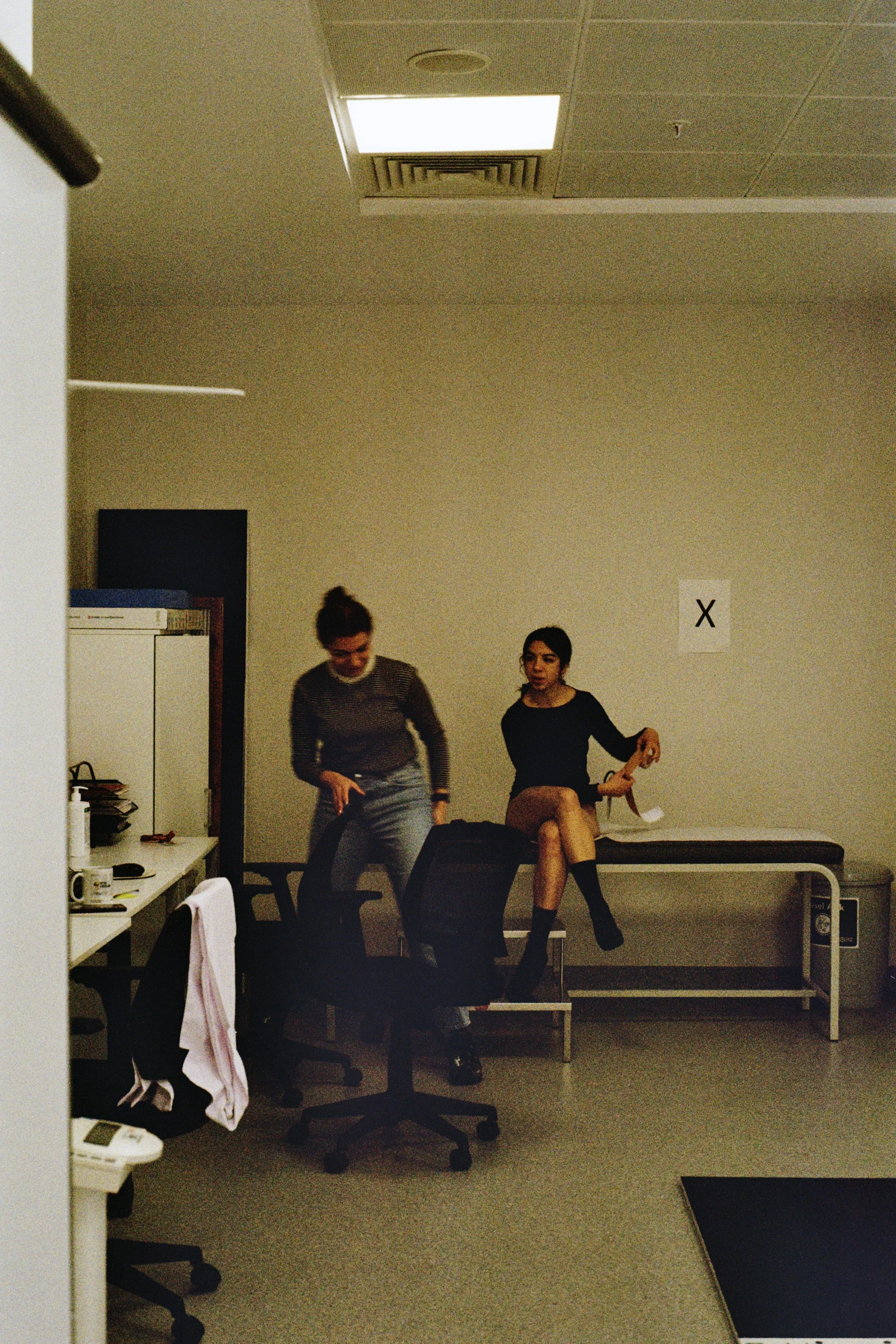
Architectural Tissue, produced within Koç University Artist in Residence Program (KuAir), is a dance research that synthesizes biomechanical analyses through choreographic tools. Where the outcome manifests itself as a performance. The data regarding these analyses were collected over four months in collaboration with the KUTTAM (Translational Medicine Research Center) Cognition and Movement Analysis Laboratory. The analyses were conducted in Vienna University by Elias Kaj Wallnöfer. Within this collaboration, the research method and its approach to movement were formed.
The Research
The primary question is how biomechanical analysis of movement can inform dance practice within a defined vocabulary of principles. Thus creating a vessel for translational work that aims to be perceivable by non-biomechanists while preserving the legitimacy of embodied knowledge.
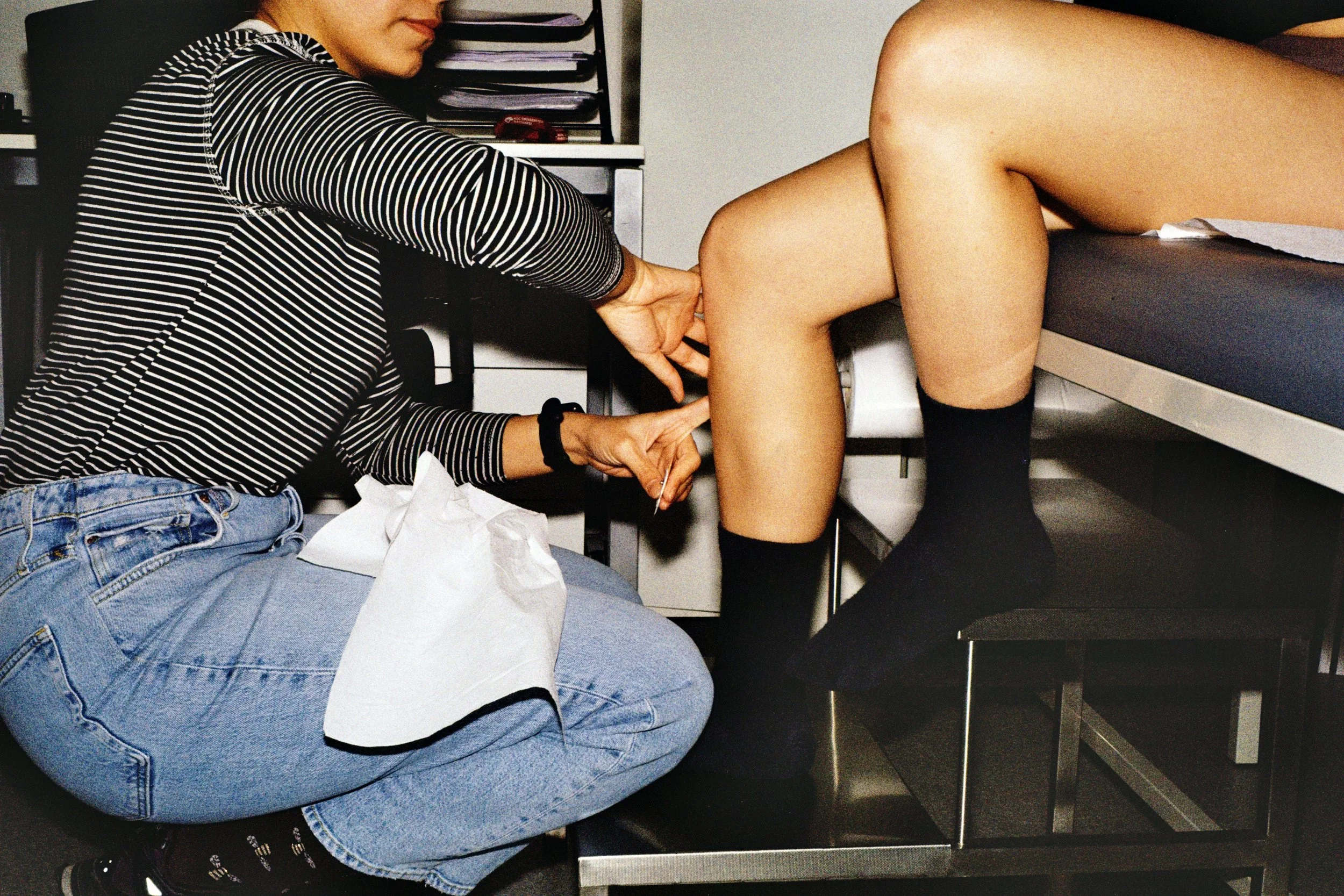
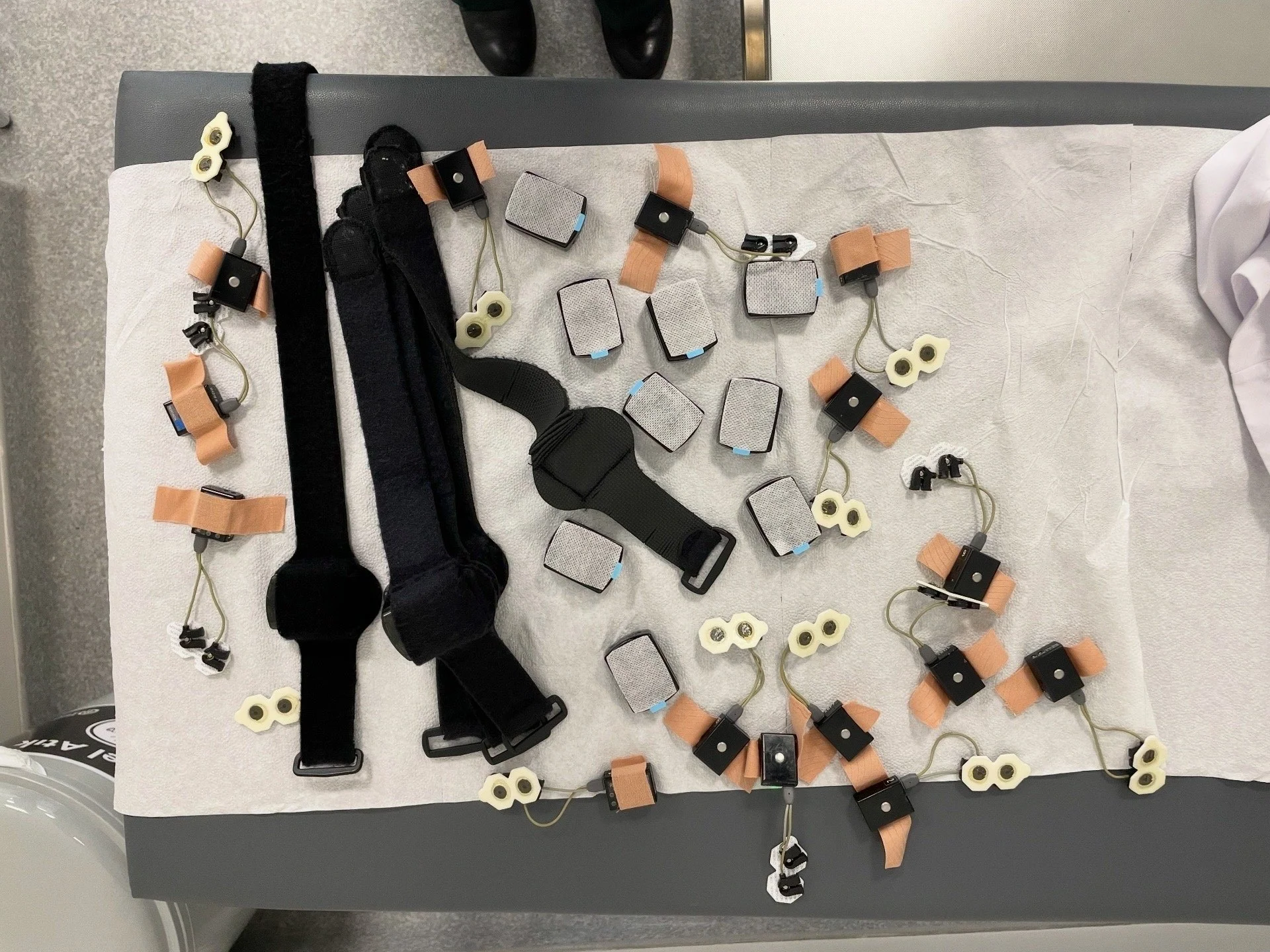
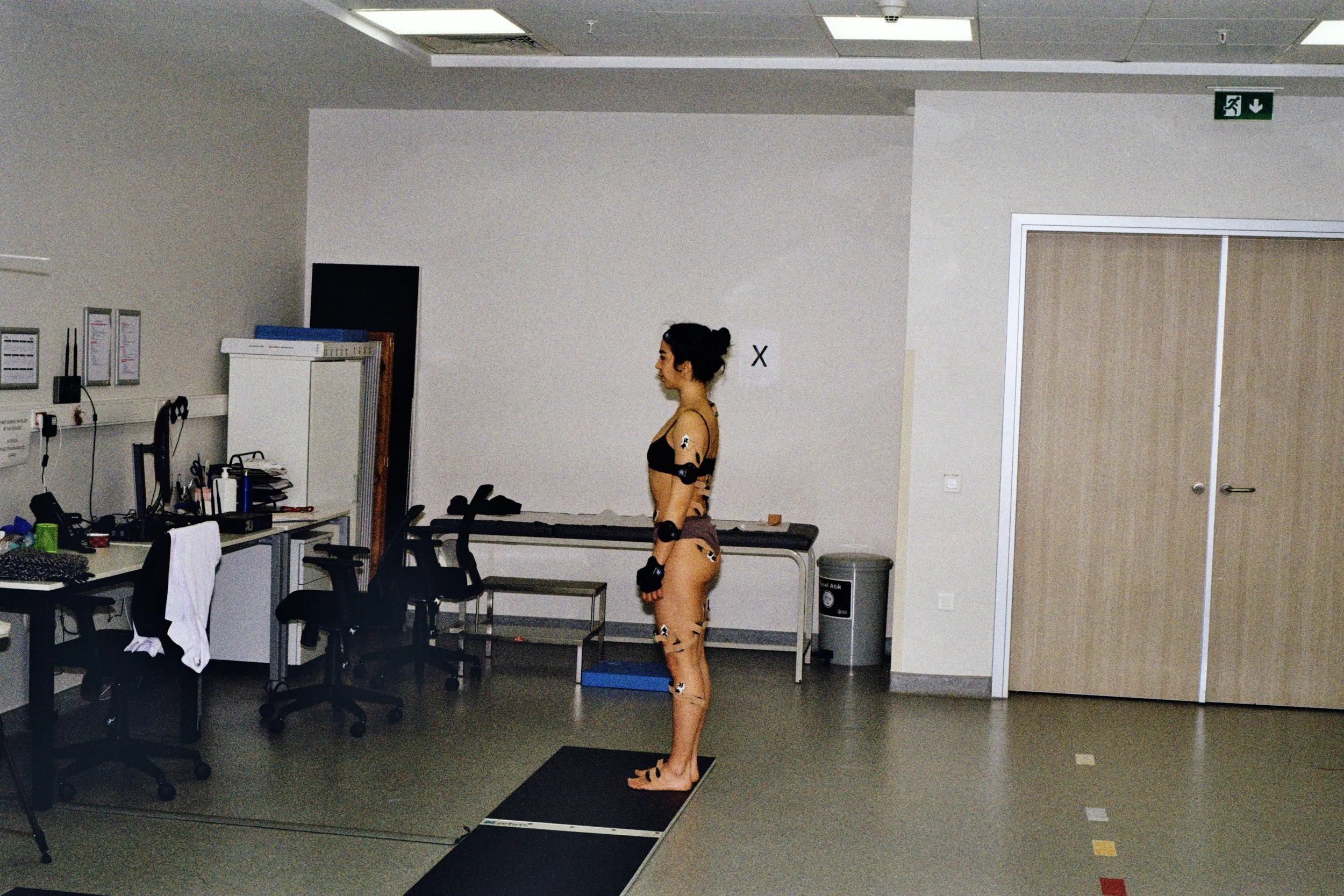
Through an iterative process of familiarization, data collection, analysis, and negotiation, the team shaped the final setup: 16 IMUs, 15 EMG channels, and a pressure plate. Where we gathered data from dancers' bodies as they performed movement sequences lasting between 5 minutes and an hour.
We explored a range of the analyses including muscle synergy extraction, inter-muscle coherence, spectral EMG features, movement smoothness and consistency measures, and PCA-based comparison of movement state between early and late repetitions. These analyses targeted concepts of tension, centre of mass, coordination, balance, timing, velocity, momentum, fatigue, and fluidity, as well as how these change over repetitions and at what point.
The Piece
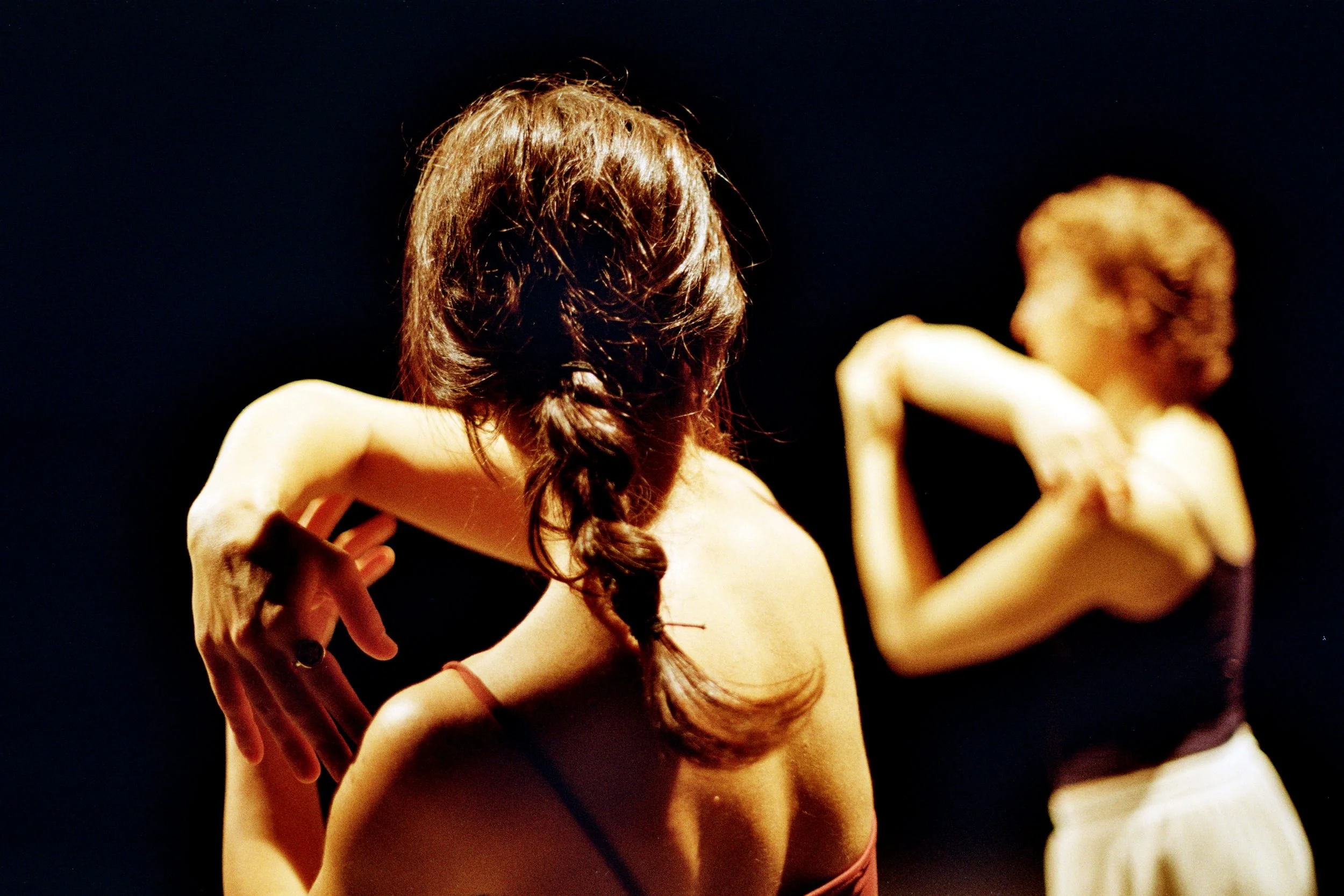
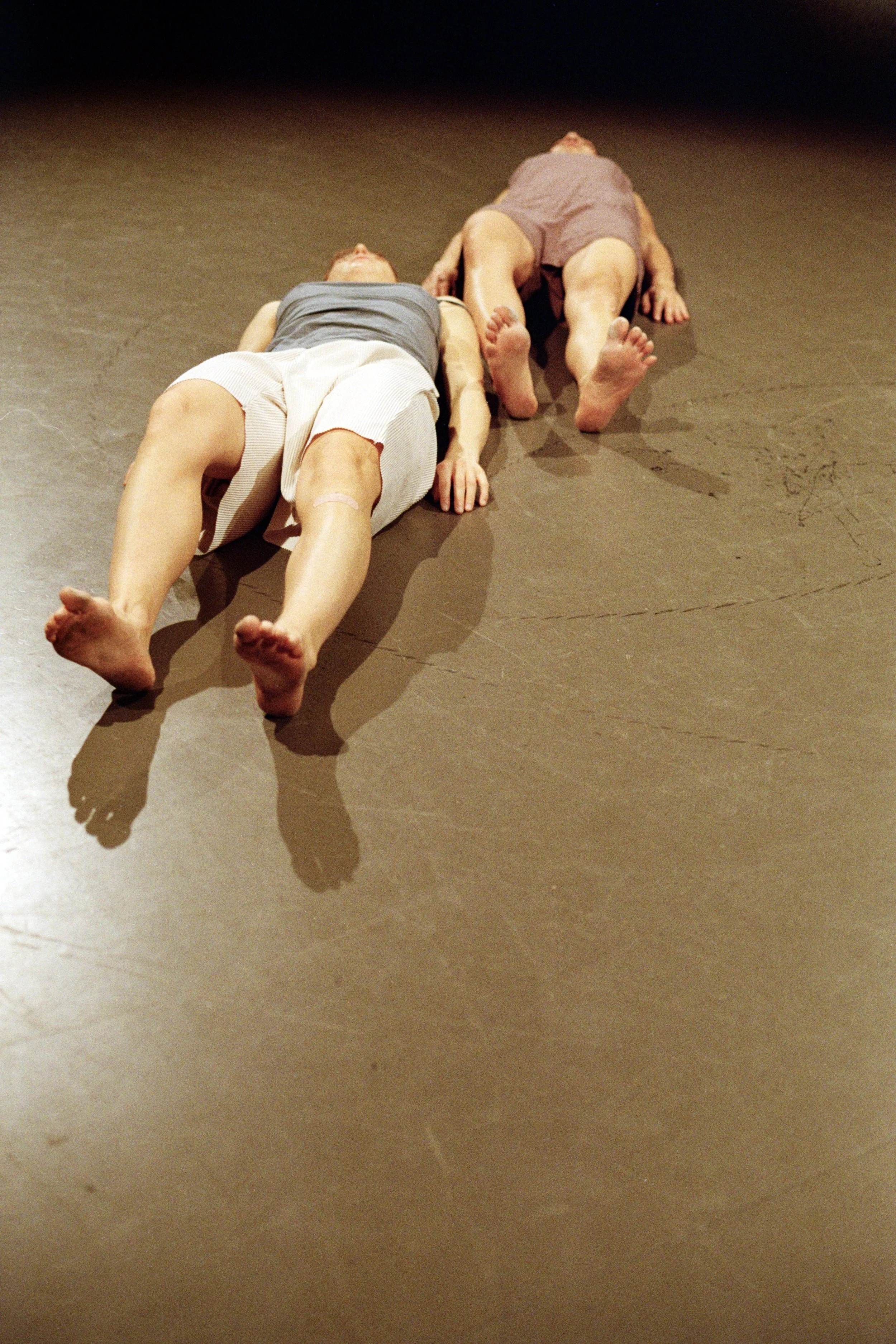
Taking a duet form, the performance invites the audience into an intense space of concentration and contemplation.
A central axiom is repetition, serving as a primary kinetic and epistemic strategy. The recurring statements lead to the movement concept of radically tender, which is the aim of the research. Through this practice, the destination reached after a prolonged rhythmic process expands to an easing space where choreographic elements find room for themselves. As a measure of time, repetition yields a dual effect on the audience and practitioner. For the audience, movement can function as ritualized timekeeping, an invitational rhythm that invites close, yet not exhausted attentiveness. For the practitioner, the body’s capacity to bear attention and to resist erasure, insisting on a shared experience of time in performance.
The Sound
The biomechanical analyses used a novel approach in which data collected in the laboratory were transformed into EMG sonification, and the resulting audio was then used to analyze the data. Within the range of sounds, the higher the frequency, the greater the maximization of muscle effort; the lower the frequency goes, the more relaxed the muscles become. From an analytical standpoint, the aim was to create a homogeneous sound, where the sound range remained at a medium scale. This meant the muscles were not overworking, and the alignment and organization of the body were as close as possible to softness without chasing the motion, focusing on execution.
From this entry point, the music composition in the performance used these sound files, and the data were converted into sinus waves. The score explores states of trance sought within the repetition of a single idea, motif or movement; growing, expanding and reaching for depths within it.
The Method
Repetition without repetition: an operationalized principle
Within the method, the principle of repetition without repetition serves as a methodological instrument to deepen the body and mind state. It posits that one can retain the overall structural schema of a movement while introducing micro-variations. The body, through successive iterations, seeks increasingly efficient execution. Through repeated phrases, the dancer’s body becomes a site of accumulated tracings, effort, attention, and memory. The result is temporality.
Balancing segments versus stabilization: a gravity-informed orientation
The second principle deals with the entropy of balance. Given gravity’s constant presence, balancing segments involves adjusting intersegmental relationships within the body. The weight of each segment passes fluently through the body, where balance emerges from a dynamic dialogue between the body and gravity. The dancer is in a constant equilibrium between being in and out of balance: one part of the body initiates a disbalance, while another part invites balance back. Organizing, and reorganizing at all times, foregrounding gravity and momentum as organizing forces, rather than treating them as external constraints to be overcome.
Radically Tender: an emergent state of embodied inquiry
The arrival point of the method is a movement ideology in which softness and dynamism coexist. Radically Tender refers to a translucent state of body and mind that emerges through sustained practice. The method drives itself through the perseverance of repetition. The repeated movement invites the subject into an experiential and exploratory state. The constant change among a constructed frame, forms a peculiar communication per subject; The process itself deliberately invites and includes adaptation. The repetition as a tool, creates the subject to reach a bodily cognition. The movement deliverance among balancing parts, aims to help find a flow state for the subject. Where the reaching point becomes a state of oneness, where every other part helps to organize and reorganize the bodily system. The conscious body is now forced to find and interpret a structure of motion that is soft and gentle. This is calculated through the sensors which are integrated among the muscular system. For this to occur, every category we analyzed in the lab needs to function in a specific way. Therefore, the outcome of the research reflects a state of radical honesty and a manner of tenderness.
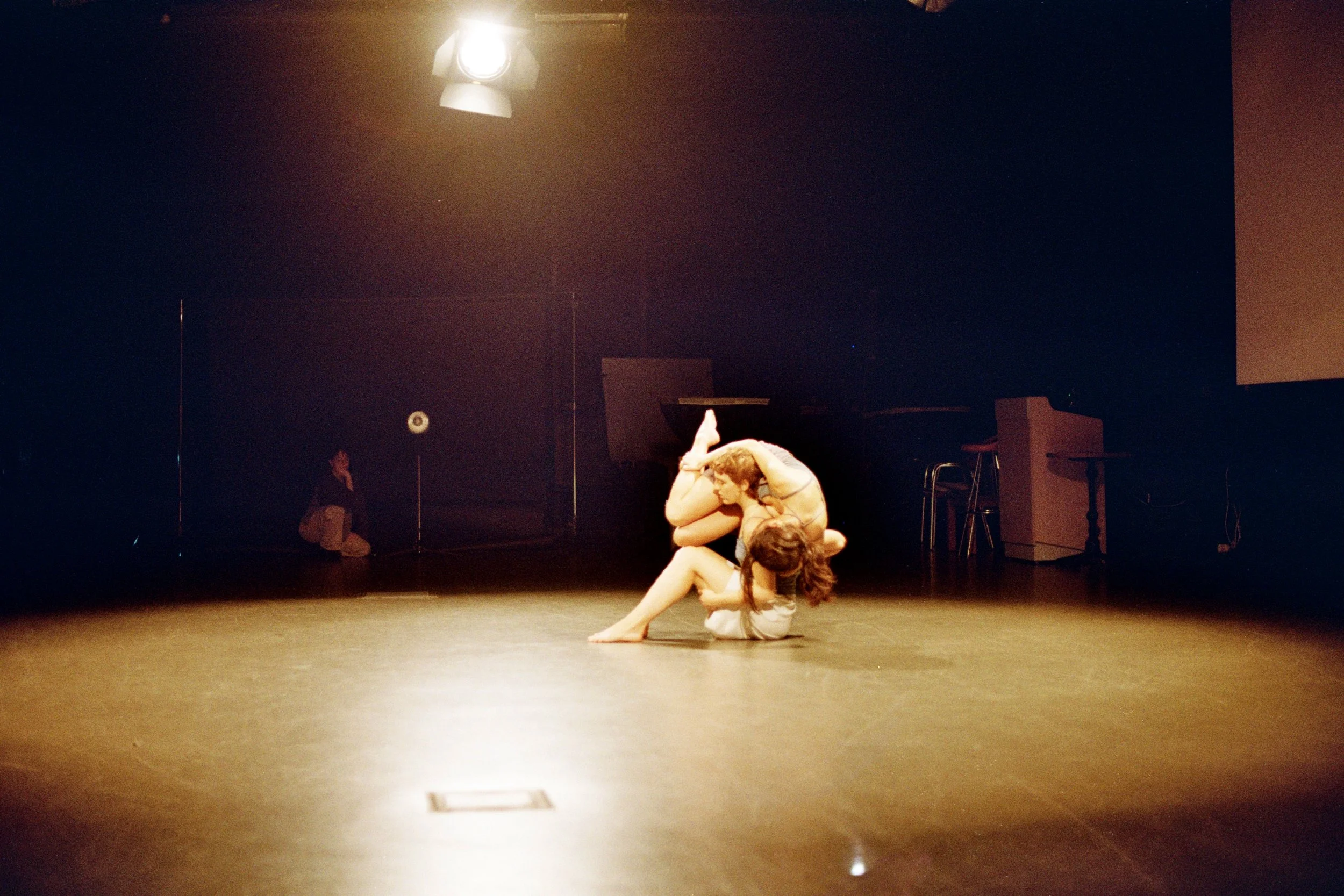
Performed by Şiva Canbazoğlu & Noemi Calzavara
Music Composition Kuzey Tekinalp
Booklet Design by oda.company
Research in KUTTAM Cognition and Movement Analysis Laboratory
Analysis by Elias Kaj Wallnöfer